What "Non-Driveable" Can Mean
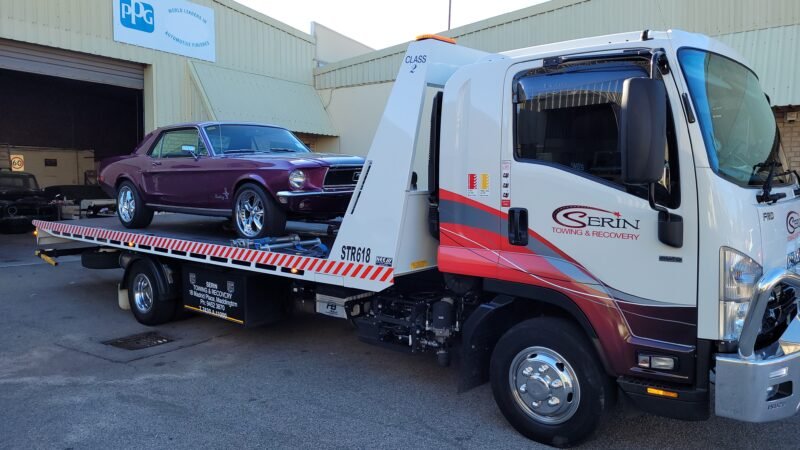
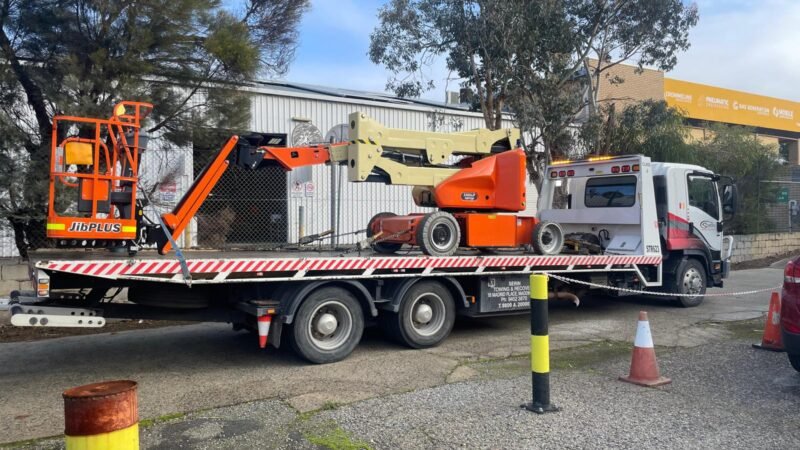
A vehicle may be considered non-driveable for many reasons. It may not start, may not roll, may have steering issues, or may have damage that prevents normal movement onto a tray.
Describing the limitation clearly helps the operator understand the situation before attending.
Useful Condition Questions
- Do the wheels turn freely?
- Does the steering respond?
- Is the vehicle in gear or locked?
- Is there underbody damage or a low clearance concern?
- Is the vehicle in a garage, car park, roadside bay or open driveway?
Access Matters Too
Even when vehicle condition is clear, narrow access, height limits or soft ground can affect how a job is approached.
Loading Considerations
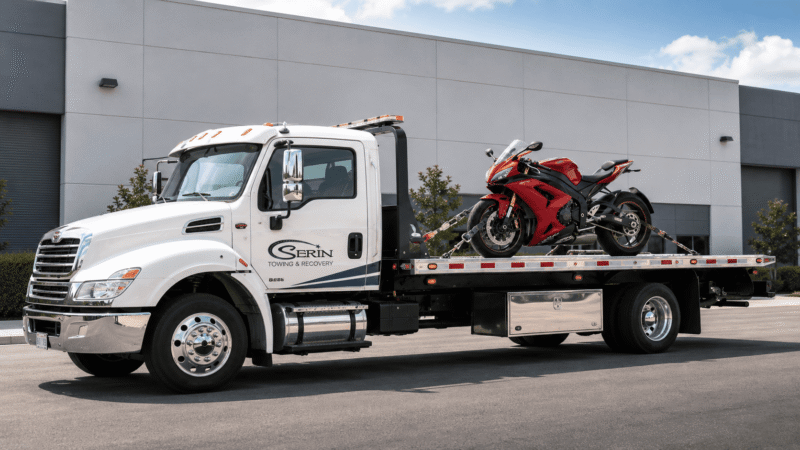
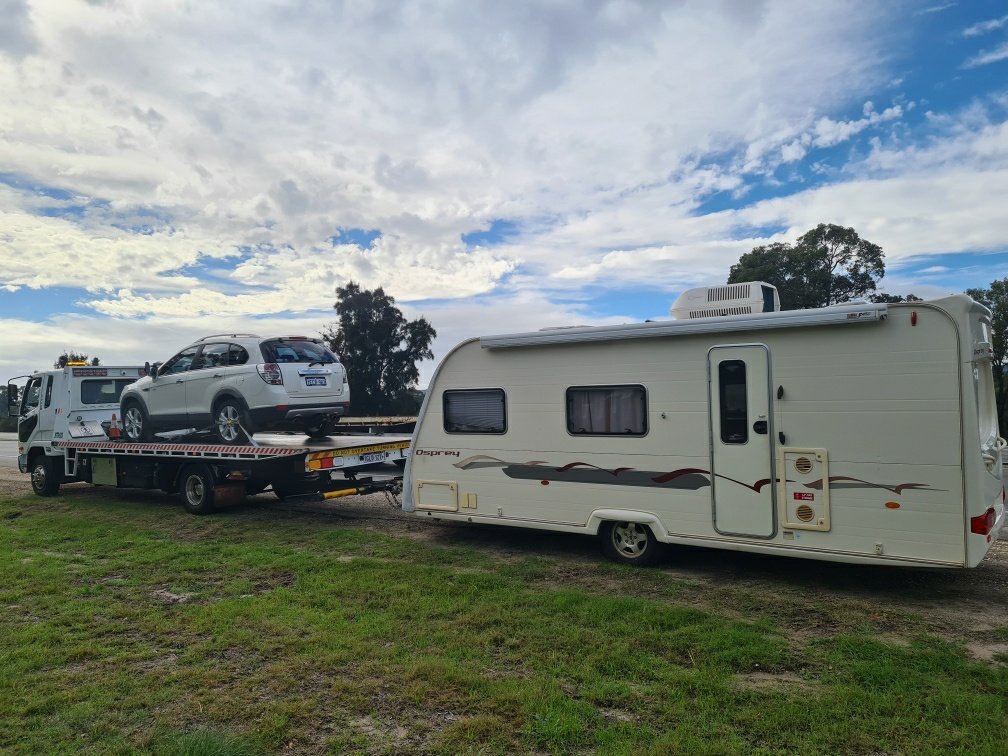
Loading a non-driveable vehicle can involve different equipment or procedures depending on the approved approach for that job. The correct method is confirmed for the specific vehicle and location.
- Space required for safe positioning of the transport vehicle
- Ground surface and gradient at the collection point
- Need for winching or alternative recovery support where approved
- Securing requirements before travel
Destination and Handover
Confirming the destination early helps the journey be planned with the delivery conditions in mind. Workshops, yards and residential deliveries can each present different access notes.